
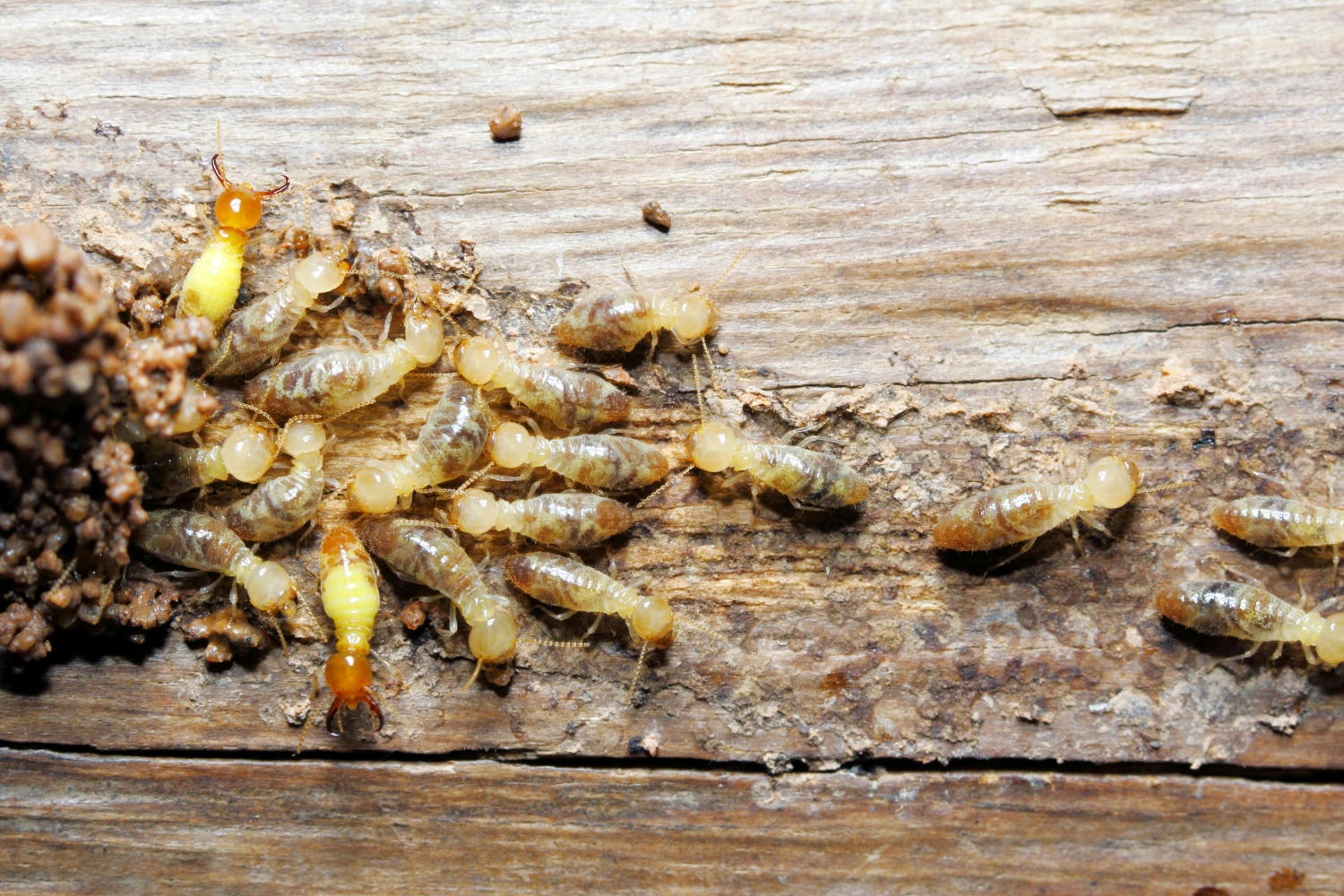
Termites are one of the most destructive pests in Australia, capable of causing severe damage to homes before their presence is even noticed. For homeowners on the Gold Coast, regular termite treatment isn’t just a precaution—it’s an essential part of protecting your property. With the region’s warm, humid climate and prevalence of timber-built homes, termite infestations can escalate quickly, leading to costly repairs and a decrease in property value.
This article explores why consistent termite treatment is crucial, the risks of neglecting it, and strategies for keeping your home termite-free.
Understanding the Termite Risk on the Gold Coast
The Gold Coast’s subtropical climate provides ideal conditions for termite activity. High humidity, frequent rainfall, and lush vegetation create an environment where termites can thrive year-round. Homes in this area, especially those with timber structures, soil contact, or moisture issues, are particularly vulnerable.
The most common termite species in the Gold Coast region include:
Coptotermes acinaciformis – A highly destructive subterranean termite that attacks timber structures from the ground up.
Schedorhinotermes intermedius – Another subterranean species that can nest in soil or timber in contact with the ground.
Nasutitermes walkeri – Typically tree-dwelling termites that can bridge into homes via gardens or landscaping.
Drywood termites (Cryptotermes spp.) – Live entirely within timber and are harder to detect until damage is visible.
Even a small colony can cause extensive structural damage if left unchecked, which is why regular termite treatment is critical for Gold Coast homeowners.
The Silent Threat of Termites
Termites are often called the “silent destroyers” because they cause damage gradually and often go unnoticed until it becomes severe. Unlike other pests, termites eat wood, cardboard, and other cellulose-based materials—key components of a home’s structure. This makes them a significant threat to the safety and stability of buildings.
Some of the key risks associated with termite infestations include:
Structural Damage – Termites can weaken beams, flooring, and walls, compromising the safety of your home.
High Repair Costs – Replacing structural timber or repairing damage can cost tens of thousands of dollars.
Property Value Reduction – Homes with a history of termite damage or infestation can see decreased resale value.
Hidden Infestations – Termites often operate out of sight, making early detection challenging without professional inspections and treatment.
Why Regular Termite Treatment Matters
Regular termite treatment acts as a proactive defense against infestations. Rather than waiting until damage is visible, consistent treatment helps to prevent termite colonies from establishing themselves in the first place.
Here’s why regular termite treatment is essential for Gold Coast homes:
1. Preventing Infestations
Chemical and baiting treatments create protective barriers around your home. These measures deter termites from entering, preventing infestations before they start. Given the Gold Coast’s high termite activity, relying on reactive measures alone can be risky and expensive.
2. Preserving Structural Integrity
Termites feed on the cellulose in timber. Left untreated, they can compromise floorboards, beams, and other structural elements. Regular treatment ensures that termites encounter a barrier that stops them from reaching critical areas of your home.
3. Reducing Long-Term Costs
Repairs from termite damage can be prohibitively expensive. Regular preventive treatment is significantly more cost-effective, as it avoids the need for extensive timber replacement or structural repairs.
4. Maintaining Property Value
A home with evidence of termite prevention and ongoing treatment demonstrates to potential buyers that it is well-maintained. This can preserve, and even enhance, property value in a competitive Gold Coast real estate market.
Types of Termite Treatment
There are several methods for termite treatment, each suited to different needs and levels of risk:
1. Chemical Barriers
Chemical treatments involve applying termiticides around the perimeter of your home or under the foundation. These chemicals either repel or kill termites attempting to enter the property. They are highly effective when applied correctly and maintained over time.
2. Termite Baiting Systems
Baiting systems consist of strategically placed baits containing slow-acting toxins. Termites consume the bait and carry it back to the colony, gradually eliminating it. Baiting also allows for ongoing monitoring of termite activity.
3. Physical Barriers
Physical barriers, such as stainless steel mesh or specially graded sand, can be installed during construction or renovations. These barriers prevent termites from accessing timber while being environmentally friendly and long-lasting.
4. Integrated Termite Management
Many modern strategies combine chemical, baiting, and physical barriers to create layered protection. Integrated management maximizes effectiveness and reduces the likelihood of termites bypassing defenses.
How Often Should Termite Treatment Be Carried Out?
The frequency of termite treatment depends on factors such as home construction, soil type, and local termite activity. On the Gold Coast, experts typically recommend:
Annual Inspections – Professional inspections detect early signs of termite activity.
Chemical Treatments or Baiting – Typically every 1–5 years, depending on the system used.
Ongoing Monitoring – Baiting systems may require quarterly checks to maintain effectiveness.
Consistency is key. Even a short lapse in treatment can allow termites to establish colonies and cause damage.
Signs You May Already Have Termite Activity
Even with regular treatment, homeowners should remain vigilant. Some signs of termite activity include:
Mud tubes along walls, floors, or foundations
Hollow-sounding timber when tapped
Winged termites (swarmers) or discarded wings near windows and doors
Buckling floors, sagging doors, or cracks in timber
Fine sawdust-like droppings (frass)
Immediate action by a licensed termite professional can prevent minor issues from becoming major damage.
Choosing a Termite Treatment Provider
When selecting a service provider, consider the following:
Licensing and Certification – Ensure the company is licensed to perform termite inspections and treatments in Queensland.
Experience – Choose a company familiar with Gold Coast termite species and environmental conditions.
Integrated Solutions – Providers offering a combination of chemical, baiting, and physical barriers can tailor protection to your home.
Ongoing Support – A reliable company should provide follow-up inspections, monitoring, and maintenance services.
Additional Preventive Measures
Homeowners can complement professional termite treatment with basic preventive practices:
Keep timber, mulch, and garden debris away from foundations.
Fix leaks and maintain proper drainage around the home.
Ensure subfloor ventilation to reduce moisture accumulation.
Inspect your property regularly and address any signs of termite activity promptly.
Conclusion
For Gold Coast homeowners, regular termite treatment is not optional—it’s essential. The region’s climate, combined with the prevalence of timber structures, makes homes highly susceptible to termite damage.
Regular treatment prevents infestations, preserves structural integrity, reduces repair costs, and maintains property value. Whether through chemical barriers, baiting systems, or integrated management, professional termite treatment provides peace of mind and long-term security.
Ultimately, investing in consistent termite treatment is an investment in your home, your safety, and your financial future. Proactive protection today ensures that your Gold Coast property remains secure from the silent, destructive threat of termites.
You May Also Like