
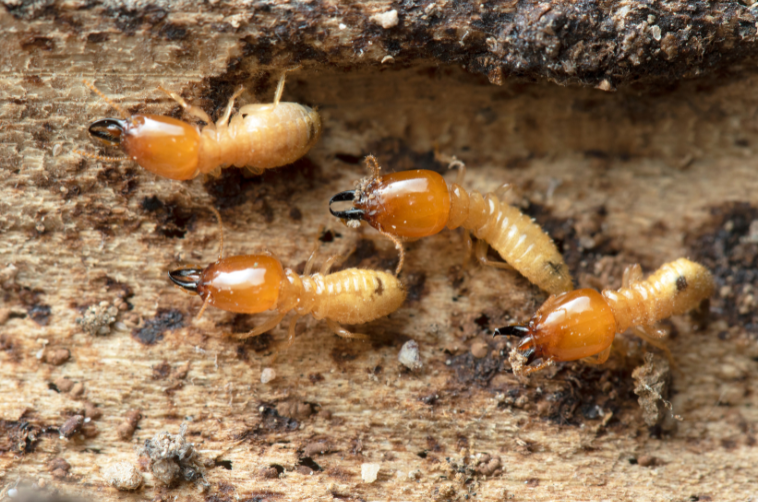
Termites are silent, destructive pests that can compromise the structural integrity of a home before their presence is even noticed. Detecting them early is crucial, and a professional termite inspection is the most reliable way to assess risk and prevent costly damage. If you’ve never had your home inspected for termites, you may wonder what the process involves. This article breaks down exactly what to expect during a professional termite inspection, including preparation, the inspection itself, and follow-up steps.
Why a Professional Termite Inspection Matters
Termites can cause significant damage without obvious signs. While some homeowners may attempt DIY inspections, professionals have the experience, tools, and expertise to identify subtle signs of infestation that can easily be missed.
A professional termite inspection offers several advantages:
Early Detection – Experts can spot infestations in hidden areas such as subfloors, wall cavities, and roof voids.
Accurate Risk Assessment – Professionals determine the level of risk based on factors such as the home’s construction type, location, and environmental conditions.
Tailored Recommendations – After inspection, a professional can recommend the most effective prevention or treatment measures, including termite barriers, baiting systems, or chemical treatments.
Preparing for a Termite Inspection
Before the inspector arrives, there are a few steps you can take to make the process smoother and more effective:
Clear Access Areas Inspectors need access to subfloors, roof voids, and other concealed spaces. Ensure that cupboards, storage items, or furniture are moved away from areas that may require inspection.
Repair Minor Issues While major structural repairs are not necessary before an inspection, fixing small issues such as leaks or water pooling around the foundation can provide a more accurate assessment.
Provide Documentation If you have prior pest reports or records of previous treatments, gather these documents. They give the inspector context about your home’s history and can inform recommendations.
The Step-by-Step Inspection Process
A professional termite inspection is thorough and systematic. While the exact procedure may vary slightly depending on the inspector or region, most inspections follow a similar process:
1. Initial Assessment
The inspector begins by walking around the exterior of your property, checking for obvious signs of termites or conditions that may attract them. This includes:
Mud tubes along walls, foundations, or garden edges
Wood in contact with soil
Signs of moisture or leaking pipes
Cracks in foundations or external walls
They also assess the surrounding environment, including gardens, mulch, and tree placement, which can serve as bridges for termite entry.
2. Exterior Inspection
Next, the inspector focuses on the exterior of the home:
Foundation and Footings – Looking for cracks, gaps, or soil conditions that could facilitate termite access.
Cladding and Siding – Inspecting wooden cladding, decks, fences, or gates that may be vulnerable.
Drainage and Landscaping – Evaluating whether water pooling, garden beds, or mulch is contributing to a high-risk environment.
Exterior inspections often reveal conditions that may not be a direct infestation but indicate a potential for future termite activity.
3. Interior Inspection
The interior inspection is typically the most detailed part:
Subfloor and Crawl Spaces – Inspectors examine timber, floor joists, and support structures for signs of termite activity. This may involve using torches, moisture meters, or even borescopes for hard-to-reach areas.
Wall Cavities and Roof Voids – Hidden infestations are often detected here. Swarming termites, discarded wings, or hollow-sounding timber are key indicators.
Plumbing and Appliances – Areas around hot water systems, laundry tubs, and sinks are prone to moisture accumulation, which can attract termites.
Inspectors also check for environmental conditions inside the home that may increase termite risk, such as leaks, poor ventilation, or excessive dampness.
4. Use of Specialized Tools
Professional termite inspections often involve more than just visual observation. Inspectors may use:
Moisture Meters – To detect damp areas inside timber and walls that are attractive to termites.
Thermal Imaging Cameras – Useful for identifying heat signatures from termite colonies hidden behind walls or under floors.
Borescopes or Inspection Cameras – To view inside wall cavities, subfloors, or roof voids without dismantling structures.
Sound Detectors – Some inspectors use acoustic devices to detect termite activity within timber.
These tools help ensure that no subtle signs are overlooked, even in concealed areas.
5. Identifying Signs of Termite Activity
During the inspection, the inspector looks for several telltale signs of termites:
Mud Tubes – Small earthen tunnels built along foundations or walls.
Hollow Wood – Timber that sounds hollow when tapped, indicating internal damage.
Swarmers and Discarded Wings – Winged termites emerging from nests, usually during mating season.
Frass – Fine termite droppings that resemble sawdust.
Structural Damage – Sagging floors, cracks in timber, or buckling panels.
Finding any of these signs triggers further investigation to determine the severity and type of infestation.
6. Report and Recommendations
After the inspection, the inspector provides a detailed report, which typically includes:
Areas inspected and methods used
Signs of current or past termite activity
Level of risk for future infestation
Recommended actions for treatment, prevention, or monitoring
The report may also include advice on installing termite barriers, improving drainage, or modifying landscaping to reduce termite risk.
What Happens After the Inspection
Depending on the findings, several steps may follow:
No Termites Detected – If the inspection shows no signs of termites, the inspector may recommend ongoing monitoring and annual inspections to ensure continued protection.
Minor or Early Infestation – Targeted treatments, such as localized chemical applications or baiting systems, can often eliminate the problem before it spreads.
Active Infestation – If significant activity is detected, more extensive measures like soil treatments, bait systems, or structural repairs may be necessary.
Tips for Homeowners During the Inspection
Ask Questions – Understanding what the inspector finds helps you make informed decisions.
Take Notes – Record recommendations and observations for future reference.
Follow-Up – Schedule any recommended treatments promptly to prevent further damage.
Conclusion
A professional termite inspection is a crucial step in protecting your home from one of the most destructive pests in Australia. From the exterior to the subfloor and roof voids, inspectors carefully examine your property, using specialized tools to uncover even hidden infestations.
Understanding what to expect during an inspection — the preparation, the process, and the follow-up — helps homeowners feel confident and informed. Whether the result is a clean bill of health or the need for immediate treatment, a professional inspection is the most reliable way to safeguard your home, protect your investment, and prevent costly termite damage in the future.
Also Read - How Much Does Termite Inspection Cost?