
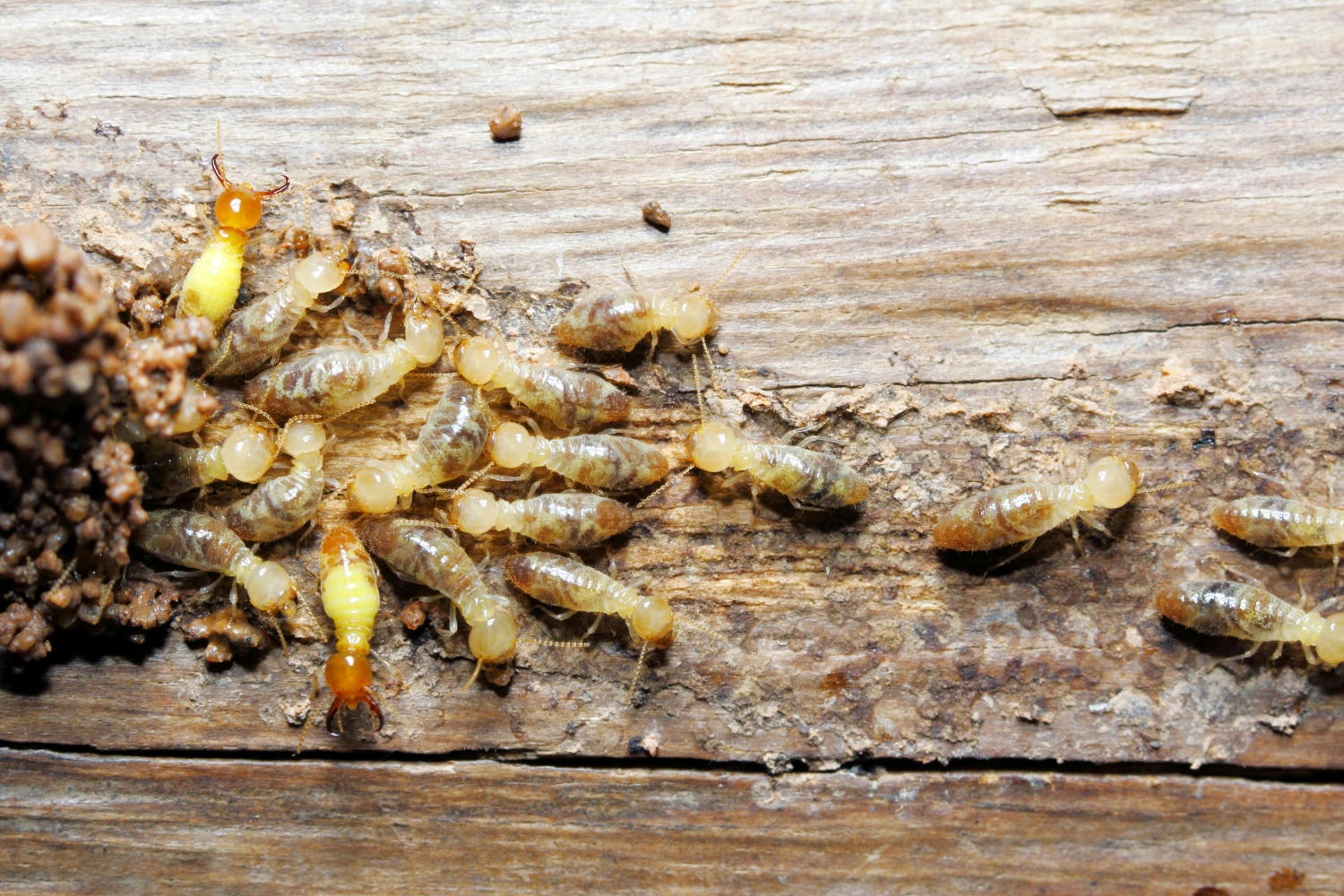
Termites are among the most destructive pests in the world, responsible for billions of dollars in property damage each year. While many people lump all termites into one category, there are actually several different species—each with its own habits, habitats, and treatment needs. Two of the most common and problematic types are subterranean termites and drywood termites.
Understanding the key differences between subterranean and drywood termites is essential for effective identification, prevention, and treatment. This guide breaks down the biology, behavior, signs of infestation, and best treatment strategies for each species to help you protect your home.
Subterranean Termites: The Silent Underground Invaders
Biology and Behavior
Subterranean termites (family Rhinotermitidae) are the most widespread and damaging type of termite in North America and many parts of the world. As their name implies, they live in colonies underground and require contact with moist soil to survive.
Each colony can contain millions of individuals and is structured with a caste system, including:
Workers: The most numerous, responsible for foraging and damage
Soldiers: Defend the colony from threats like ants
Swarmers (alates): Reproductive termites that emerge seasonally to form new colonies
Subterranean termites feed on cellulose-based materials like wood, paper, and cardboard. Because they must remain in moist environments, they build protective mud tubes to access food sources above ground without being exposed to air or sunlight.
Signs of Infestation
Mud tubes on walls, foundations, or crawl spaces
Hollow-sounding wood or sagging floors
Swarmers near windows or light fixtures (typically in spring)
Discarded wings after a swarming event
Bubbling or dark spots on painted surfaces
Treatment Options
Because subterranean termites live underground, treating them requires addressing the soil around and under your structure.
1. Liquid Termiticides
A professional applies a chemical barrier in the soil around your home’s perimeter. As termites attempt to pass through the treated zone, they are killed or carry the poison back to the colony.
2. Baiting Systems
Termite bait stations are strategically placed in the soil to attract foraging termites. Once they take the bait, it disrupts their growth or kills them, slowly collapsing the colony.
3. Foam Treatments
For specific infestation points like wall voids or wooden beams, foam termiticides may be injected directly.
4. Integrated Treatment
Often, professionals use a combination of baiting and soil treatment for maximum effectiveness.
Drywood Termites: The Hidden Wood-Dwellers
Biology and Behavior
Drywood termites (family Kalotermitidae) differ significantly from their subterranean counterparts. They don’t require contact with soil or moisture and live entirely within the dry wood they consume. This makes them particularly sneaky, as they can be transported in infested furniture, lumber, or even picture frames.
Drywood colonies are smaller—typically just a few thousand termites—and slower to cause damage, but they are still a serious threat.
Unlike subterranean termites, they don’t build mud tubes, and their damage is often found in upper floors, attics, or wooden furniture.
Signs of Infestation
Tiny kick-out holes in wood surfaces
Piles of frass (fecal pellets) resembling sawdust or coffee grounds
Crisp, hollow-sounding wood
Cracks or blistering on wood finishes
Swarmer sightings, especially during warm evenings
Treatment Options
Because drywood termites live inside wood, treatment must reach them directly.
1. Spot Treatments
Professionals can drill small holes into infested wood and inject insecticides such as borate or termiticide foam. This is effective for localized infestations.
2. Fumigation (Tenting)
For widespread or hard-to-reach infestations, whole-structure fumigation is the gold standard. The home is sealed and filled with gas (usually sulfuryl fluoride), which penetrates all wood to eliminate every termite.
3. Heat Treatment
Some pest control providers offer localized or whole-home heat treatments. By raising the temperature inside the wood to lethal levels, this method can kill all stages of termites.
4. Orange Oil
A natural option, orange oil (derived from citrus peels) can kill drywood termites on contact. However, it's typically less effective for severe infestations or hidden colonies.
Prevention Tips for Both Termite Types
Whether you're battling subterranean or drywood termites—or want to avoid them altogether—here are some universal prevention strategies:
Eliminate Wood-to-Soil Contact
Keep wooden parts of the home (like siding or door frames) raised above the soil line.
Fix Moisture Issues
Repair leaky pipes, gutters, and ensure proper drainage away from your foundation.
Seal Cracks and Entry Points
Use caulk or sealant around windows, doors, vents, and utility lines.
Limit Wood Storage Near Home
Store firewood, lumber, and wooden furniture away from your house and off the ground.
Schedule Annual Inspections
A yearly termite inspection by a licensed pest control professional can catch infestations early.
Use Treated or Naturally Resistant Wood
For construction or remodeling, opt for pressure-treated or termite-resistant materials.
When to Call a Professional
While DIY termite solutions exist, most infestations—especially with subterranean or widespread drywood termites—require professional treatment for complete eradication.
Call a professional if:
You find swarmers inside your home
You discover mud tubes or frass
Wood sounds hollow or appears damaged
You live in a termite-prone region
Licensed pest control companies offer inspections, customized treatment plans, and ongoing monitoring to ensure your home stays termite-free.
Final Thoughts
Both subterranean and drywood termites are capable of causing serious, costly damage to your home. By understanding the differences in their behavior, habitat, and signs of infestation, you can take proactive steps to detect and eliminate these pests.
Effective treatment depends on accurate identification—so if you're unsure, consult a pest professional who can diagnose the problem and recommend the best course of action. With the right knowledge and timely intervention, you can protect your biggest investment from one of nature's most persistent pests.