
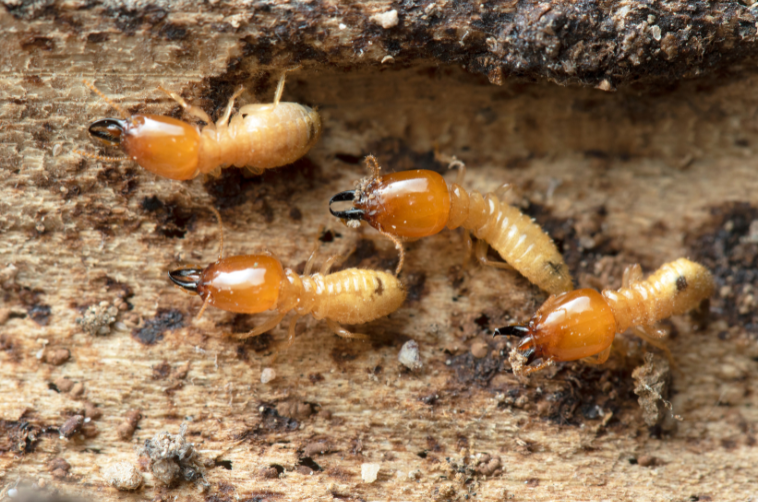
Termites are silent destroyers. Often going unnoticed until significant damage has occurred, these tiny pests are responsible for millions of dollars in property damage in Australia every year. For homeowners, understanding termite prevention is essential, and a strong barrier is one of the most effective defenses against infestation. This article explores why termite barriers matter, the types of barriers available, and best practices for protecting your home.
Understanding the Termite Threat
Termites are social insects that feed on cellulose, a major component of wood. While they play a crucial role in the ecosystem by breaking down dead trees, they become a problem when they target human structures.
In Australia, the most destructive termite species include Coptotermes acinaciformis and Schedorhinotermes intermedius, both of which are capable of compromising a home’s structural integrity within a few years if left untreated. These subterranean termites build extensive underground networks, making detection difficult and damage extensive.
The Gold Coast, with its warm, humid climate, is particularly vulnerable to termite infestations. Homes with timber structures, soil contact, or moisture issues are at high risk.
Why Prevention is Better Than Cure
While termite treatment options exist — including chemical sprays, baiting systems, and fumigation — prevention is far more effective, cost-efficient, and less stressful for homeowners. Once termites establish a colony, eliminating them can be complex and expensive.
Preventative measures focus on making your property less attractive to termites and creating barriers to entry. Among these, a termite barrier is one of the most reliable and long-lasting solutions.
What is a Termite Barrier?
A termite barrier is any physical or chemical treatment that stops termites from reaching your home. Its primary purpose is to create a protective shield between the soil and your building, preventing subterranean termites from accessing timber and other cellulose materials.
Termite barriers can be physical, chemical, or a combination of both. The right barrier system ensures that termites cannot bypass it, effectively protecting your home for many years.
Types of Termite Barriers
1. Physical Barriers
Physical barriers are made of materials that termites cannot penetrate. Common options include:
Stainless steel mesh: Tiny mesh screens installed around foundations, piers, and penetrations prevent termites from entering while allowing water drainage.
Sand barriers: Specially graded sand particles are used to surround foundations. Termites cannot move the sand to tunnel through, effectively blocking their path.
Concrete encasements: Properly poured concrete around foundations and critical timber elements can act as a natural barrier.
Physical barriers are durable, eco-friendly, and require minimal maintenance. They are particularly effective when installed during construction but can also be retrofitted during renovations.
2. Chemical Barriers
Chemical barriers involve applying termiticides to the soil around your home. These substances either repel termites or kill them upon contact. Common forms include:
Liquid soil treatments: Applied during construction or around existing structures, these chemicals create a protective zone in the soil.
Baiting systems: Strategically placed termite baits contain slow-acting toxins that termites carry back to the colony, gradually eliminating it.
Chemical barriers are highly effective, but their success depends on correct application and regular inspections to ensure the barrier remains intact.
3. Integrated Barrier Systems
Many modern termite prevention strategies combine physical and chemical barriers. For example, a stainless steel mesh may be installed alongside a liquid termiticide to provide double-layered protection. This integrated approach ensures that even if one barrier is compromised, the other continues to protect your home.
Benefits of a Strong Termite Barrier
Peace of Mind Knowing your home is protected from termites allows you to focus on other aspects of homeownership without constant worry.
Cost Savings Preventing termite infestations is far cheaper than repairing structural damage. A well-installed barrier can save tens of thousands of dollars in future repair costs.
Long-Term Protection Modern termite barriers, whether physical or chemical, are designed to last decades, providing long-term security for your property.
Compliance with Building Standards In Australia, building codes require certain termite protection measures for new constructions. Installing a barrier ensures your home meets legal and safety standards.
Tips for Effective Termite Prevention
1. Reduce Moisture Around Your Home
Termites are attracted to damp environments. Fix leaks, maintain proper drainage, and ensure subfloor areas are well-ventilated.
2. Maintain Proper Landscaping
Keep timber, mulch, and garden debris away from your home’s foundation. Avoid planting trees too close to buildings, as roots can create pathways for termites.
3. Inspect Regularly
Schedule annual termite inspections with a licensed professional. Early detection allows for immediate action before major damage occurs.
4. Use Treated Timber
Where possible, use termite-resistant timber in construction or renovations. Treated timber is less appealing to termites and enhances your home’s defense.
5. Seal Entry Points
Ensure all cracks, joints, and penetrations in foundations, walls, and roofs are sealed. Even small gaps can become entry points for subterranean termites.
Signs Your Barrier Might Be Compromised
Even with a strong barrier, vigilance is essential. Signs that termites may have breached your defenses include:
Mud tubes along walls or foundations
Hollow-sounding timber
Discarded wings near windows or doors
Sagging floors or doors that stick
If you notice any of these warning signs, contact a licensed termite professional immediately. Early intervention can prevent significant damage and protect your home.
Final Thoughts
Termites are relentless, but a strong barrier is a homeowner’s best defense. Whether physical, chemical, or a combination, a properly installed termite barrier can prevent infestations, protect your investment, and provide peace of mind.
Prevention is always more cost-effective than cure. By taking proactive measures — installing a barrier, reducing moisture, maintaining landscaping, and scheduling regular inspections — you significantly reduce the risk of termite damage.
In essence, termite prevention is not just about avoiding a pest problem — it’s about protecting the foundation of your home and your peace of mind for years to come. A strong barrier is more than a precaution; it is a crucial investment in the longevity and safety of your property.