
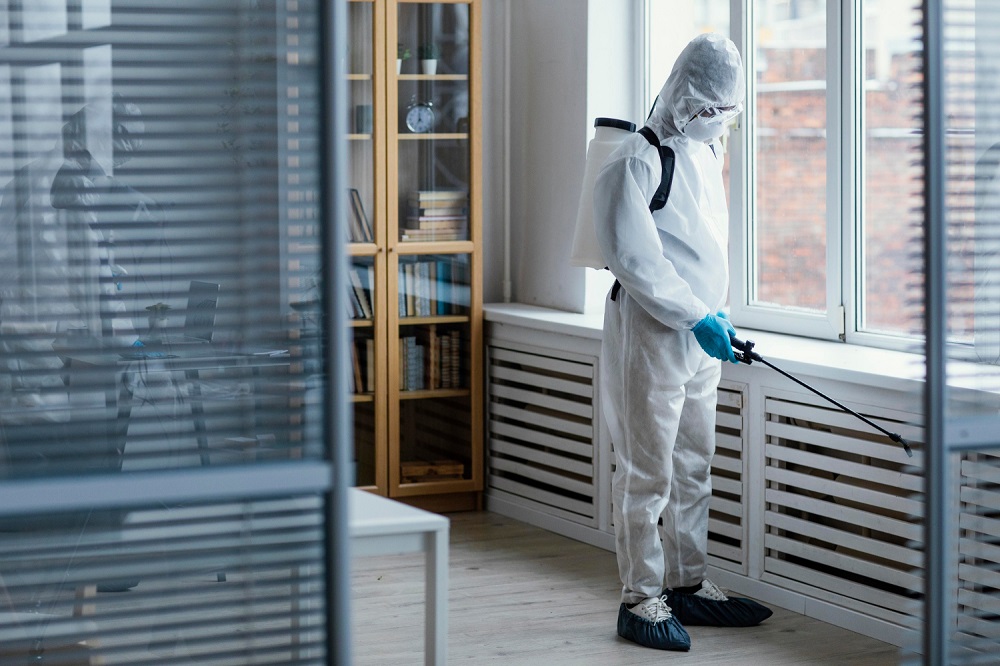
When moving out of a rental property on the Gold Coast, one of the critical tasks tenants need to address is end-of-lease pest control. While the process may seem straightforward, it often raises confusion about the responsibilities of both the landlord and the tenant. Who is responsible for organizing and paying for pest control services? Is it the tenant’s duty to ensure the property is pest-free, or does the landlord have an obligation to manage pest control during the tenancy?
Understanding the division of responsibilities for pest control can help avoid misunderstandings, reduce the risk of disputes, and increase the likelihood of tenants receiving their full bond back. In this article, we’ll delve into the roles of both landlords and tenants in relation to end-of-lease pest control in Gold Coast rental properties, helping you navigate the often tricky waters of pest management when moving out.
Why Pest Control Matters at the End of a Lease
Before discussing the division of responsibilities, it’s important to understand why pest control is a key part of the end-of-lease process. In Queensland, the Residential Tenancies and Rooming Accommodation Act requires that tenants return the property in the same condition it was in at the start of the lease, allowing for "fair wear and tear." A pest-free property is often included in these expectations, particularly when pests such as cockroaches, ants, rodents, and termites could cause damage to the property or affect the health of the next tenants.
If pests are found during the final inspection, tenants may be required to pay for pest control services or have the cost deducted from their bond. However, the responsibility for pest control may vary depending on whether the pests existed before the tenant moved in, whether they were introduced during the tenancy, and the specific clauses in the lease agreement.
Tenant Responsibilities for End of Lease Pest Control
While tenants do have a few responsibilities when it comes to end-of-lease pest control, it’s important to know that pest control is often seen as a tenant responsibility, especially when the pest issue is a result of the tenant’s actions or living habits.
1. Ensuring the Property Is Pest-Free Before Moving Out
In most rental agreements on the Gold Coast, tenants are required to leave the property in a pest-free condition at the end of the lease. If a pest issue arises during the tenant’s occupancy, it is generally the tenant’s responsibility to address it. For example, tenants may need to arrange for pest control services if pests like ants, cockroaches, or rodents are detected in the property before moving out.
Pest control for common household pests, including cockroaches, ants, spiders, and fleas (if the tenant has had pets), is generally considered the tenant's duty. A professional pest control service will treat the home for these pests, and tenants must ensure that the treatment is completed before their final inspection.
2. Pet-Related Pest Control
For tenants who have kept pets during their tenancy, flea treatments are often required as part of the end-of-lease pest control process. Fleas are notorious for infesting carpets, pet bedding, and furniture, and they can remain in the home long after the pet has left. Pet owners should arrange for a professional flea treatment to prevent infestations in the property.
In most lease agreements, flea treatments are explicitly mentioned as a responsibility for tenants with pets. These treatments often involve the entire property, not just areas where the pet has been, to ensure that any fleas, eggs, or larvae are eradicated.
3. Hiring a Professional Pest Control Service
While DIY pest control might seem like an easy and cost-effective option, it is not usually recommended for end-of-lease treatments. Tenants are generally required to hire a licensed pest control professional to ensure that the treatment meets the standards expected by the landlord. A licensed professional will not only provide a more thorough treatment but will also issue a certificate of treatment, which is often necessary to prove that pest control was completed.
Hiring a qualified pest control provider ensures that the treatment is thorough, effective, and compliant with any legal requirements. It is important for tenants to keep a copy of the certificate of treatment to submit to the landlord or property manager as proof of pest control completion.
4. Completing the Treatment Before the Final Inspection
Pest control should be done before the final inspection, not after. Timing is crucial when it comes to ensuring that pest control treatments are effective and meet the landlord’s expectations. Schedule pest control at least a few days before the inspection, allowing sufficient time for the treatment to settle and take effect.
Waiting until the last minute may result in the pest control service not being completed in time, which could lead to the landlord finding pests during the final inspection and requesting additional treatments. This can delay the return of the bond or result in unwanted disputes.
Landlord Responsibilities for Pest Control
While tenants are typically responsible for pest control at the end of a lease, there are some situations where the landlord holds responsibility for pest management during the tenancy or upon a tenant’s move-out. Let’s explore the primary responsibilities of landlords in relation to pest control:
1. Addressing Pre-existing Pest Issues
Landlords are responsible for ensuring that the rental property is free of pests at the start of the tenancy. If the property has a pre-existing pest issue—such as termites, rodents, or cockroaches—then it is the landlord’s responsibility to treat the property before the tenant moves in.
The landlord must also ensure that the property is habitable and safe for the tenant. If the tenant moves in and discovers a pest issue that was present before their arrival, the landlord is obligated to arrange pest control services at no cost to the tenant.
2. Pest Control for Structural Issues
If a pest issue is related to the structure of the property—for instance, termites attacking wooden beams or rodents accessing the home through holes in the walls—then it is generally the landlord’s responsibility to address these issues. Structural pest problems require specific treatment and repairs, and tenants are not expected to cover these costs.
In the case of termite infestations, landlords are typically required to arrange for professional termite inspections and treatment, particularly in regions like the Gold Coast, where termite activity is common. These treatments often involve more extensive measures than standard pest control, such as baiting or fumigation, and may require ongoing maintenance.
3. Ongoing Pest Management
Landlords may also have an ongoing responsibility for pest management if pests are a recurring issue in the building. For example, if the property is located in an area prone to termites or rats, the landlord may need to arrange for regular pest inspections or treatment throughout the lease term to prevent infestations. Tenants may be expected to notify the landlord of any pest problems, but the responsibility for taking action falls on the landlord.
In some cases, landlords may choose to include pest control services as part of the lease agreement, especially for more significant problems like termites. This ensures that tenants are not burdened with these costs during the tenancy.
Who Pays for Pest Control?
The question of who pays for end-of-lease pest control depends largely on the terms of the lease agreement and the source of the pest problem. Here’s a general breakdown of payment responsibilities:
Tenant Pays: If the pests are a result of the tenant’s actions or habits (e.g., keeping pets, food spillage, or neglecting cleanliness), the tenant is usually responsible for covering the cost of pest control at the end of the lease.
Landlord Pays: If the pest issue is due to pre-existing conditions in the property (e.g., termites or rodents that were present before the tenant moved in), the landlord is responsible for paying for pest control.
It’s important to review the lease agreement to clarify these responsibilities, as some landlords may include pest control clauses that specifically outline what the tenant is expected to pay for.
Conclusion
The division of responsibilities for end-of-lease pest control between landlords and tenants can be a bit murky, but understanding the key guidelines can help both parties avoid conflicts and ensure a smooth transition. As a tenant, it’s crucial to ensure that the property is returned in a pest-free condition, and pest control treatments should be arranged promptly before the final inspection. Meanwhile, landlords must ensure that the property is free of pests when tenants move in and address any structural pest issues that may arise during the tenancy.
By understanding these responsibilities and clearly communicating with each other, both landlords and tenants on the Gold Coast can ensure a hassle-free move-out process, ultimately leading to the full return of the tenant’s bond and a pest-free property for the next occupants.