
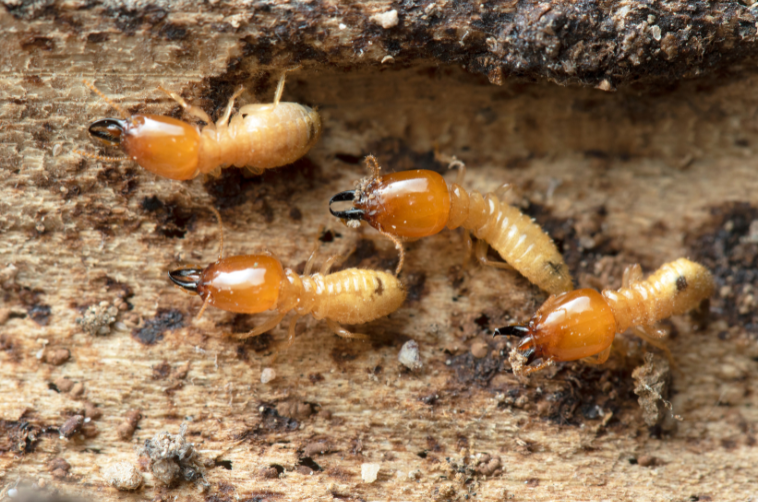
Termites can silently wreak havoc on a home’s structure, often going unnoticed until significant damage is done. Once you've treated the infestation, the next step is addressing the physical aftermath. Repairing termite damage isn't just about restoring appearance—it's about ensuring your home's structural integrity and preventing future issues. Fortunately, with the infestation under control, you're now in a good position to focus on restoration.
In this article, we’ll explore how to assess, plan, and execute repairs after termite treatment.
1. Assess the Extent of the Damage
Before you start any repairs, conduct a thorough inspection. Ideally, this should be done with a licensed contractor or structural engineer, especially if damage is extensive.
What to look for:
Hollow-sounding wood when tapped.
Bubbling or peeling paint (which can mimic water damage).
Sagging floors or ceilings.
Cracked or buckling drywall.
Visible tunnels or “galleries” in wood.
Weakened support beams, joists, or floorboards.
Document everything with photos and notes. This will be helpful for insurance claims, contractor quotes, or if you're considering selling your home in the future.
2. Determine Whether You Need Professional Help
Some termite damage can be fixed with basic carpentry skills, while other repairs require experienced professionals.
DIY repairs may be possible if:
The damage is cosmetic (e.g., small trim, baseboards, minor drywall).
The affected area is easily accessible.
Structural integrity is not compromised.
Hire a professional if:
The damage involves load-bearing beams, floors, or walls.
Electrical wiring or plumbing has been affected.
You're unsure about the extent of internal damage.
Structural repairs may require permits, inspections, and adherence to local building codes—tasks best handled by licensed professionals.
3. Remove and Replace Damaged Wood
The most common post-termite repair involves removing and replacing wood that has been compromised.
Steps:
Cut Out Damaged Sections Using a saw or chisel, remove all visibly infested or weakened wood. Be careful not to damage adjacent undamaged areas.
Inspect Adjacent Wood Even if it looks intact, nearby wood should be checked for hidden damage or remaining termite galleries. Replace if necessary.
Treat the Area Again (Optional but Recommended) Apply a borate wood preservative or termite-resistant treatment to the surrounding area as an extra precaution. This adds a layer of protection to new and existing wood.
Install New Wood Use pressure-treated lumber or termite-resistant alternatives like redwood, cedar, or composite materials. Cut and fit the new pieces snugly and secure them using nails, screws, or metal brackets.
4. Reinforce Structural Components
For damage to load-bearing structures, you may not always need to remove the entire component. In some cases, sistering is an effective solution.
Sistering involves attaching new wood next to the damaged section to restore strength and support.
Other reinforcement techniques:
Steel brackets or plates to brace beams.
Laminated veneer lumber (LVL) beams for increased load capacity.
Concrete piers or footings if foundational supports are compromised.
Always consult a structural engineer for these repairs to ensure safety and compliance with building codes.
5. Repairing Drywall and Paint
Termite damage often extends beyond wood. Drywall may be cracked, bulging, or riddled with small holes where termites tunneled.
Repair Steps:
Cut Out Damaged Drywall Use a utility knife to remove compromised sections. Cut a clean rectangle or square for easier patching.
Inspect Behind the Drywall Check the studs and insulation. Treat or replace anything that’s infested or rotted.
Patch the Area Install new drywall, tape the seams, apply joint compound, and sand smooth once dry.
Prime and Paint Use a stain-blocking primer to prevent discoloration from any residual damage. Finish with your chosen paint color.
6. Repairing Flooring
Termites can damage floor joists, subfloors, and even hardwood or laminate flooring. Signs include sagging, squeaking, or spongy spots.
Repair Strategy:
For Minor Damage: Replace or refinish individual boards or tiles.
For Subfloor Damage: Remove flooring to access the subfloor. Replace damaged sections and reinforce joists if needed.
For Major Damage: Consider full replacement of flooring in heavily infested areas, especially if wood integrity is compromised.
Again, apply a termite treatment to exposed wood before replacing flooring to discourage future infestations.
7. Replace or Repair Trim and Decorative Wood
Termites often start with softer, accessible wood like baseboards, crown molding, and window trim.
Quick tips:
Use moisture-resistant and termite-resistant materials for replacements.
Caulk and seal gaps to deter pests and improve appearance.
Consider PVC or composite trim for added durability in high-risk areas.
8. Address Moisture and Entry Points
One of the most important steps in post-treatment repair is prevention. Termites thrive in moist, hidden environments. Addressing the conditions that allowed the infestation can prevent future issues.
Key steps:
Fix leaky pipes, roofs, and HVAC systems.
Ensure proper drainage around your foundation.
Use dehumidifiers in basements and crawl spaces.
Seal cracks in foundation walls and around windows/doors.
Install physical termite barriers if you're replacing large portions of the structure.
9. Consider Insurance and Warranty Options
Homeowners insurance typically does not cover termite damage, but some pest control companies offer repair warranties as part of their service.
If your termite treatment came with a warranty:
Review it to see if it covers repair costs.
Contact the company before starting repairs, as unapproved work might void coverage.
If not, consider investing in a monitoring and prevention plan moving forward.
10. Plan for Future Inspections
After completing repairs, schedule regular inspections—at least annually—with a pest control professional. Early detection is the best way to avoid another costly round of treatment and repair.
Final Thoughts
Repairing termite damage is a multi-step process that depends on the severity of the infestation and the extent of structural impact. While cosmetic fixes can often be done DIY, structural repairs require caution, precision, and often professional help.
Treating the infestation is just the beginning. Restoring your home’s safety, beauty, and value takes time—but with the right approach, you can make it stronger and more resilient than before. Keep up with routine inspections, take proactive preventive measures, and you’ll be well-protected from future termite problems.